
The Psychology of Promo: Why Some Swag Gets Used (and Some Gets Tossed)
Promotional products are a powerful way to get your brand in front of customers, but not all swag is created equal. Some promo items become daily essentials, while others end up at the bottom of a desk drawer, or worse, in the trash. So, what makes the difference? The answer lies in psychology.
"By understanding the psychology behind why people keep and use promo items, you can invest in swag that delivers maximum impressions and builds lasting brand loyalty."
Understanding how people perceive and interact with promotional products can help you choose items that will be used, appreciated, and remembered.
Making It Personal
People are more likely to keep and use an item if it resonates with them on a personal level. This is why generic, low-quality giveaways often fail to make an impact. Instead, brands should focus on relevance and emotional connection.
How to Create Emotional Connection
Usefulness is Key
If an item serves a functional purpose in someone's daily life, it has a much greater chance of staying in circulation. Research from the Promotional Products Association International (PPAI) shows that high-utility products drive brand impressions because people use them frequently, reinforcing brand recall.
Examples of High-Retention Promo Products
- Tech Gadgets: USB drives, power banks, and wireless charging pads are universally useful and have high perceived value.
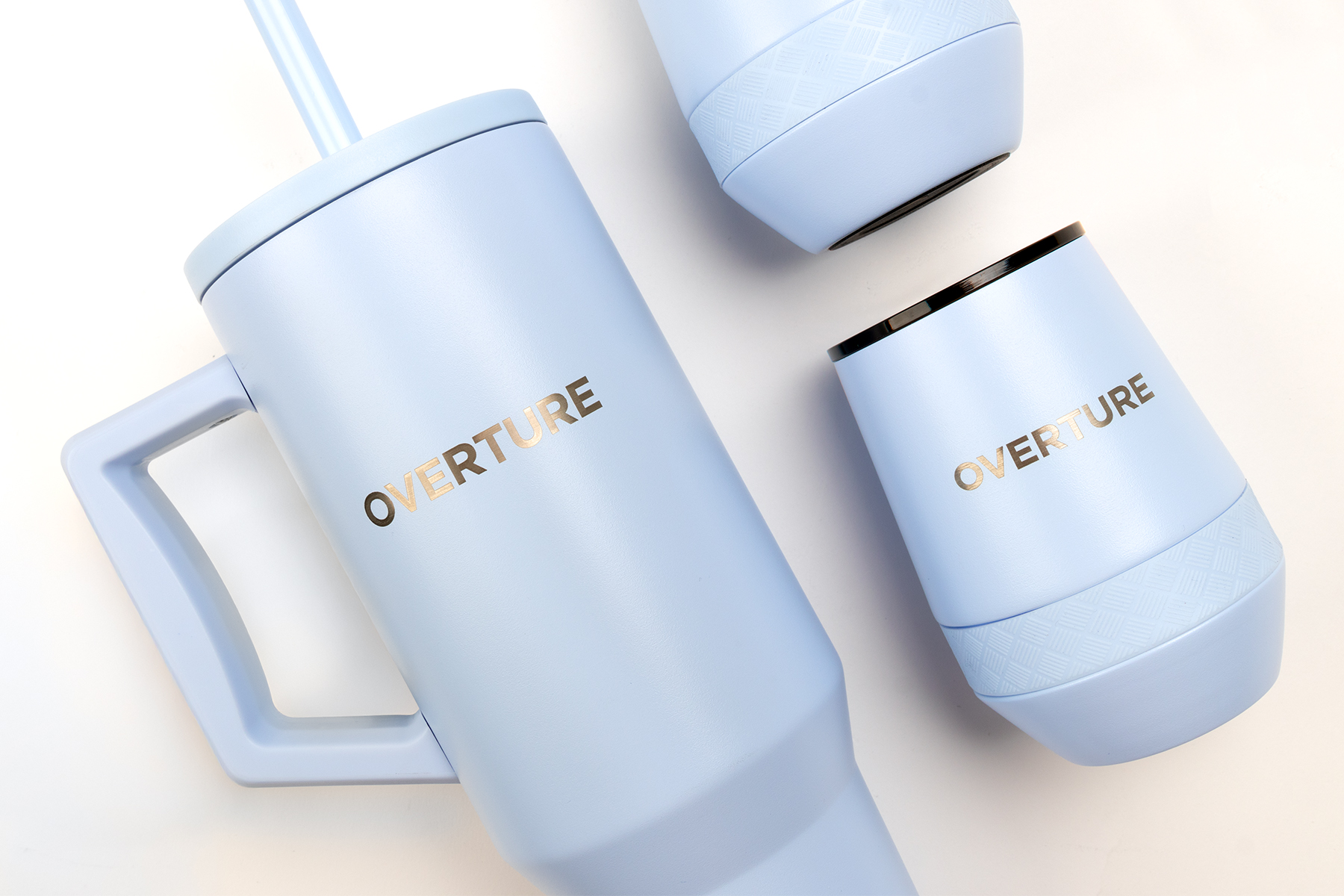
- Drinkware: Reusable water bottles, insulated tumblers, and coffee mugs are used daily, making them effective brand vehicles.
- Office Supplies: High-quality notebooks, pens, and sticky notes are practical for both corporate and home use.
Quality Over Quantity
People associate the quality of a promotional product with the quality of the brand. Cheap, flimsy swag sends the wrong message and is more likely to be discarded. On the other hand, well-made products feel like a gift rather than a giveaway.
How to Enhance Perceived Value
- Choose Premium Materials: A soft-touch journal or a stainless-steel tumbler feels more luxurious than their plastic counterparts.
- Invest in Retail-Inspired Designs: Promotional apparel that follows current fashion trends will be worn more often than outdated styles.
- Offer Something Exclusive: Limited-edition items make recipients feel special.
Environmentally Conscious Swag
More consumers are making environmentally conscious choices, and they expect brands to do the same. Swag that is eco-friendly has a higher chance of being appreciated and used. In contrast, items that feel wasteful are more likely to be tossed.
Sustainable Promo Trends
Swag That Sparks Conversations
A product that sparks conversation increases brand exposure beyond the initial recipient. Items that are aesthetically pleasing, unique, or have a "cool factor," are more likely to be shared on social media or recommended to friends.
Swag That Gets Talked About
- Trendy Wearables: Custom sneakers, branded beanies, and stylish hoodies encourage people to show off your brand.
- Interactive Products: QR-coded swag that leads to exclusive digital content can keep audiences engaged.
- Limited-Edition Collectibles: Products with a scarcity factor create hype and desirability.
Brand Alignment
Your promo items should align with your brand's personality, industry, and customer base. A luxury brand handing out cheap plastic keychains sends mixed signals. Instead, the best promo products reinforce brand identity.
Matching Products to Brand Image
When selecting promotional products, think beyond just slapping a logo on something cheap. Consider the emotional connection, usefulness, quality, sustainability, social appeal, and brand alignment. By understanding the psychology behind why people keep and use promo items, you can invest in swag that delivers maximum impressions and builds lasting brand loyalty.
Looking for expert guidance on selecting the perfect promotional merchandise? Let's talk! Our team is here to help you craft the perfect promo strategy that resonates with your audience and maximizes brand impact.